

The Richest Man in Babylon

Updated: Apr 9
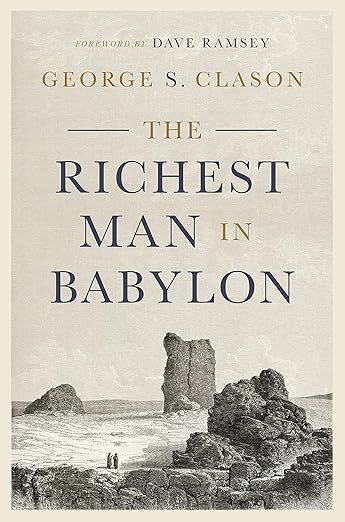
Cuối cùng cũng kiếm ra được cái bìa nhìn tàm tạm cho quyển này. Không thể hiểu nổi làm best seller gần 100 năm mà vì sao có thể bìa xấu?
Sách viết theo dạng kể chuyện bé nghe nên cực kỳ dễ đọc. Audible thì cực kỳ dễ nghe, y như kể chuyện bằng băng cassette dzị đó. Nội dung vi mô (micro), tính ứng dụng cho cá thể đỉnh cao.
Cả đời chỉ cần đọc một cuốn sách về tài chính này thôi cũng được luôn. Thích hợp từ trẻ nhỏ chưa biết mình thích gì tới người lớn cực thích tiền nhưng không thích quản lý tiền.
Mua làm quà tặng thanh thiếu niên mới đi làm lại càng hợp lý.
Lần đầu mua cuốn này mình tưởng nó là tiểu thuyết đó chứ. Ai mà biết được nó life changing quá chừng. Nó đã hướng dẫn mình làm sao có thể phân bổ ngân sách hợp lý, tiết kiệm được, mà vẫn có thể quẩy tới nóc. Với cả cũng lượm nhặt được một vài lý lẽ lên mặt với thành viên cùng hộ khẩu lắm.
Tóm lại là hữu ích. 10 đỉm. Có lý do mà cuốn sách 100 tuổi vẫn hot cả, dù cái bìa nhìn xấu kinh dị.
Lưu ý: The Richest Man in Babylon được viết bởi George S. Clason vào năm 1926. Bìa này không phải là nguyên bản của George S. Clason mà có kèm lời tựa của Dave Ramsey các bạn nhé.
The Richest Man in Babylon, Amazon store affiliated links:
Amazon US: https://amzn.to/404VUv5
Amazon UK: https://amzn.to/4rItJ17
Amazon CA: https://amzn.to/4us3ii8
Join group UK Deals and Steals này để tìm thêm deals giá tốt nè các bạn: https://www.facebook.com/groups/dailydealsnstealsusa


I keep coming back to the everyday side of following curiosity through everyday information, where a simple detail can lead to a wider question. A clear question can turn a casual interest into something easier to explore. For Zngoxx, I would use Zngoxx learning ideas as a starting point for a closer discussion of the subject. I can imagine different responses depending on the situation, which makes the question more interesting. How do you decide which detail deserves a closer look before moving on?
The theme of choosing useful digital tools makes me curious about what people notice in their own everyday experiences. A tool becomes useful when it makes a specific task easier rather than simply adding another option. That is why the connection between Vvp2p and everyday technology skills makes me want to think through an example. That is the part I would keep thinking about after moving on to something else. How would you compare two tools using the same everyday task?
The theme of following curiosity through everyday information makes me curious about what people notice in their own everyday experiences. A clear question can turn a casual interest into something easier to explore. The name Expoilt gives this theme a memorable reference point, while Expoilt learning ideas keeps the subject in focus. I can imagine different responses depending on the situation, which makes the question more interesting. How do you decide which detail deserves a closer look before moving on?
Thinking about helping children take ownership of learning, I find the smaller practical questions more interesting than a quick conclusion. Making a small choice can help pupils feel responsible for the way they approach a task. I would use that point as a starting question when considering student learning ownership. I can imagine different answers depending on the situation, so I would want to understand the context before drawing conclusions. Which decisions can children make meaningfully within a structured lesson?
What draws my attention to exploring village stories through local research is the possibility of making an unfamiliar subject feel closer to everyday life. A small place can have many stories when people are asked about ordinary changes over time. It also gives the phrase Wilczynek local research a clearer meaning than a label on its own. The part I would like to explore further is what happens when the idea meets a real situation with its own limitations. Which interview questions would help pupils learn more than a place name and a date?